My First Paid Magic Shows at Age Twelve
Knowing tricks and performing a show are two different things. I started learning the difference at twelve.
By Tres Miller · November 2, 2026 · 6 min read
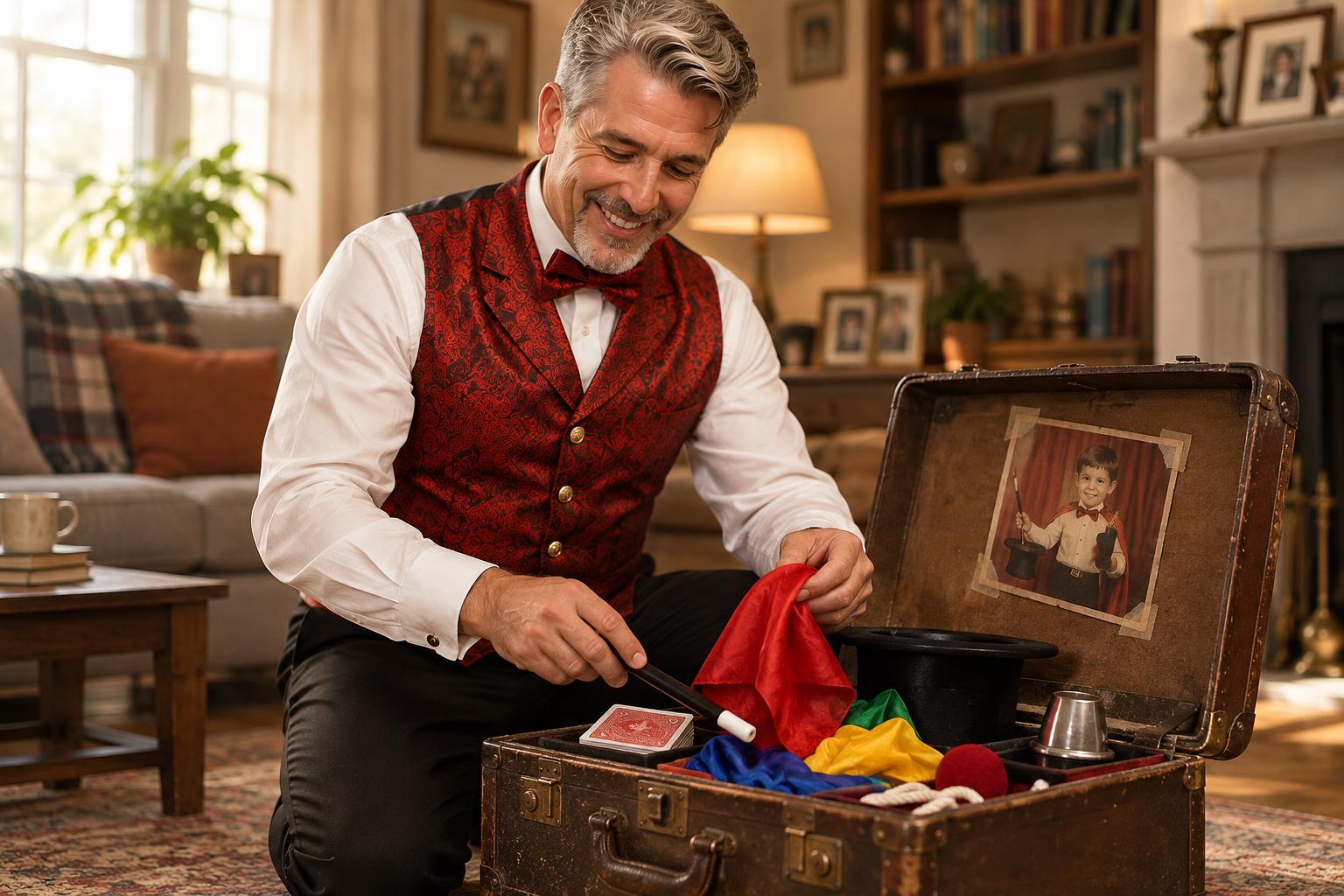
What did doing paid magic shows at age twelve teach Tres about performing?
Starting paid shows at twelve taught Tres that being paid brings responsibility: showing up prepared, having every prop ready, respecting the host's time, and delivering an experience — not just a series of tricks. It also revealed the gap between knowing tricks and performing a real show, which requires pacing, audience management, and the ability to adapt when a live room doesn't go as planned.
- Getting paid means someone is counting on you.
- Preparation — props checked and packed — is part of the performance.
- Knowing tricks is not the same as performing a show.
- Live audiences teach adaptation faster than any book.
- Those early lessons still shape how Tres prepares today.
I started performing paid magic shows by the time I was twelve. Four years after first discovering magic, I went from showing tricks to people I knew to being hired to entertain a room. That shift taught me lessons I still use every time I perform.
Being paid means responsibility
When someone pays you, they are trusting you with their event. That was a big idea for a twelve-year-old. It meant being on time, being ready, and making sure the host's guests had a good experience. It's the same standard I hold myself to today.
Preparation is part of the show
An audience never sees the packing list, but they feel its absence instantly. Checking every prop, resetting every effect, and knowing the order of the show became non-negotiable. A missing piece can derail a routine, and a twelve-year-old learns that quickly.
Young performers: make a written checklist of every prop for every routine, and check it before you leave home — every time. Professionals still do this.
Knowing tricks vs. performing a show
At first I thought a show was just a list of tricks. It isn't. A show needs an opening, a middle that builds, and a strong ending. It needs pacing, humor, and moments for the audience to take part. That gap between tricks and a show is exactly what I discuss in why three tricks done well beat thirty done poorly and why knowing when to end matters.
Live rooms teach adaptation
No two audiences are alike. Some are loud, some are shy, and sometimes things simply don't go as planned. Performing for real audiences taught me to stay calm, adjust on the fly, and keep the energy positive — skills you can only build by doing.
Where that led
Those early shows were the start of a path that included years at MAGIZMOS in Orem and performances across the country. Read how it began in learning magic at eight, or see the full story in my bio. If you have a young performer at home, private magic lessons can help them build real performing skills, not just tricks.
Frequently Asked Questions
What did doing paid magic shows at age twelve teach Tres about performing?
Starting paid shows at twelve taught Tres that being paid brings responsibility: showing up prepared, having every prop ready, respecting the host's time, and delivering an experience — not just a series of tricks. It also revealed the gap between knowing tricks and performing a real show, which requires pacing, audience management, and the ability to adapt when a live room doesn't go as planned.
How old was Tres when he started performing paid shows?
Tres was performing paid magic shows by age twelve.
Can a twelve-year-old really perform paid magic shows?
Some young performers can, with enough practice, preparation, and adult support. Starting with friendly audiences is the best first step.
What is the biggest difference between knowing tricks and performing a show?
A show needs structure, pacing, audience interaction, and a strong ending. Tricks alone don't create that.
How should a young magician prepare for a show?
Rehearse the full show in order, use a prop checklist, and practice talking to an audience, not just doing the moves.
Does Tres help young magicians learn to perform?
Yes. His private magic lessons cover performance skills like scripting, pacing, and audience connection.
About the Author
Tres Miller performs as Tres the Great, a Utah comedy magician known for clean, interactive entertainment at company parties, schools, libraries, birthdays, and community celebrations. He discovered magic at age eight, began performing paid magic shows around age twelve, worked at the Orem magic shop MAGIZMOS from 1991 to 1998, and teaches private magic lessons.
Help your young magician go from tricks to a real show. Book a private magic lesson with Tres.
Book a Private Magic LessonOr check availability for a magic show · call/text 435-229-9797