Magic History & Personal Stories
What Decades of Performing Magic Have Taught Me About Audiences
The most useful feedback in magic comes from the people watching—not the props in the case.
By Tres Miller · · 6 min read
Quick Answer
What have decades of performing magic taught Tres about audiences?
Decades of performing have reinforced that audiences need clarity, comfortable participation, and time to react. Reading attention, adjusting pacing, respecting volunteers, and adapting to different ages matter more than displaying technical complexity. A successful magic show is a shared experience of surprise and laughter, not a contest between performer and spectator.
Key Takeaways
- An audience is a group of individuals, not a single predictable reaction.
- Pacing should respond to attention and laughter.
- Volunteers deserve dignity and a genuine invitation to participate.
- Different ages need different presentation—not less respect.
- Connection is more useful than technical complexity alone.
People are the real point of the performance
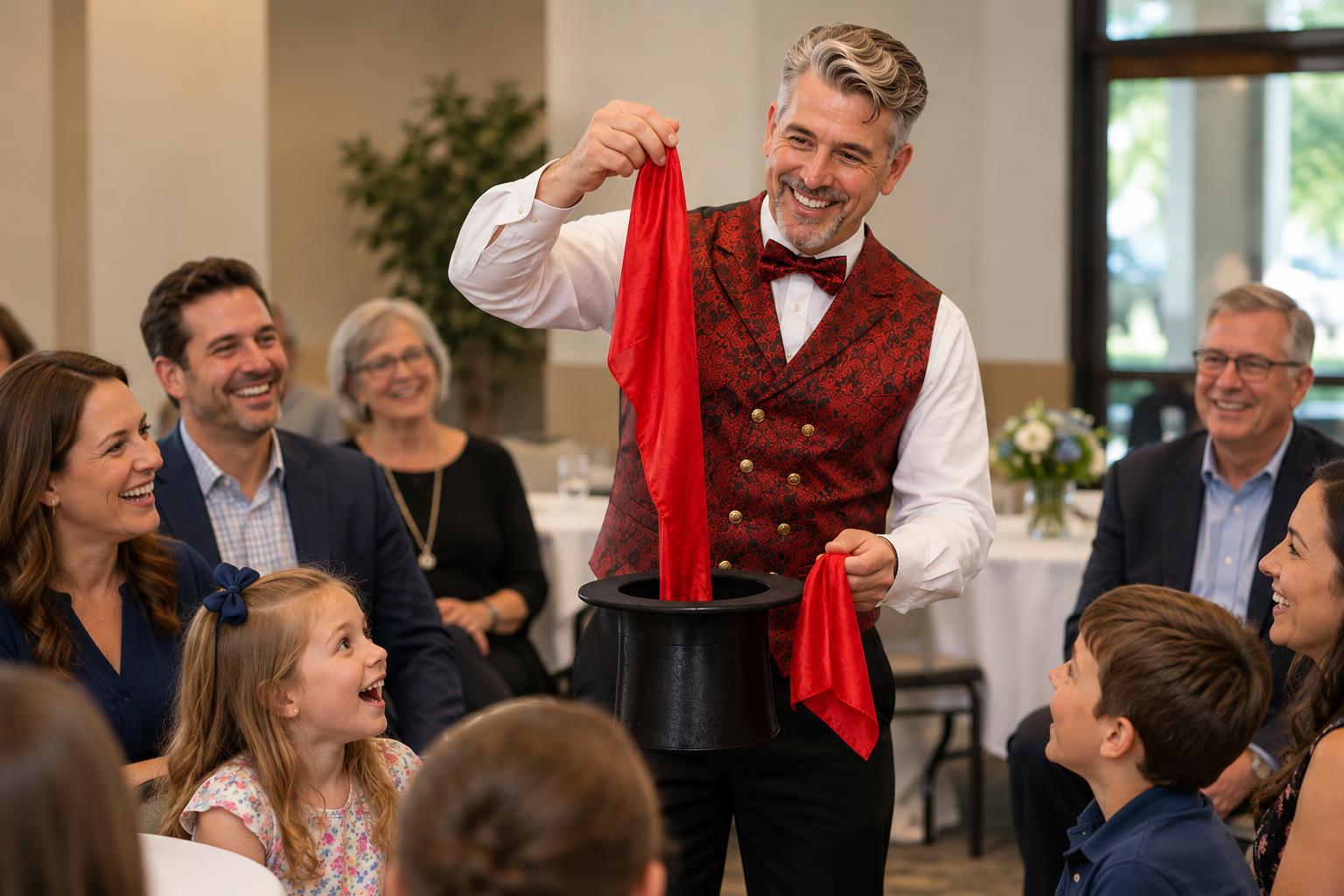
My path in magic began at eight, included paid shows from around twelve, and later took me through years demonstrating and teaching at MAGIZMOS. Across decades of live performing, the important question has remained the same: what is this experience like for the people watching? A routine can be technically impressive and still leave a room distant. Conversely, a clear effect presented warmly can bring people together. The audience is not there to grade a practice session. They have come to enjoy a moment that belongs to them as much as to the performer.
Attention is something to notice, not demand
A room offers information throughout a show. People lean forward, follow a prop, look toward a volunteer, or become distracted by something elsewhere. Those signals are not personal insults. They help a performer judge what the audience can currently follow. Room layout, sound, and competing activity all influence attention. Before choosing material, I want to understand the event itself. How venue layout changes the entertainment you should book explores that practical side. A performer should not blame the audience for conditions that make a presentation difficult to see or hear.
Clarity gives everyone a fair chance to enjoy magic
The audience must know what is supposed to be ordinary before they can appreciate what becomes extraordinary. A simple introduction, visible objects, and instructions delivered one at a time make participation easier. Clarity is especially useful when guests have different ages or different levels of familiarity with magic. It does not mean reducing the show to something obvious. It means building a shared understanding of the visible action. Once that foundation is present, the surprise can be enjoyed instead of explained away as confusion.
Laughter is a response, not a timer setting
Comedy happens with the room. If people laugh, the next important line should not be buried underneath it. If a moment receives a small smile rather than a big laugh, insisting that it was hilarious only adds pressure. I want to leave enough space for a reaction and then continue naturally. That is different from stretching every moment until it feels slow. Good pacing varies the rhythm: an invitation, a little anticipation, a reveal, and a chance to react. The room helps determine how those parts breathe.
A volunteer’s experience affects the entire audience
When someone joins a routine, everyone else watches how that person is treated. Clear directions and respectful humor build trust. Humiliation breaks it, even if a few people laugh. Participation should feel like a contribution, not a trap. Some guests enjoy being involved; others prefer watching. Both can be good audience members. Why magicians should never make volunteers look foolish explains this principle in more depth. I want the volunteer to leave with a positive memory and the room to feel comfortable about the next invitation.
Different ages need thoughtful adjustments
Young children, older students, and adults do not necessarily respond to the same references, instructions, or pace. That does not mean one group is better at enjoying magic. It means the presentation needs to fit. A younger audience may benefit from especially direct instructions and clear visual changes. Adults can appreciate those same qualities while also enjoying conversational humor and a different rhythm. For school planning, elementary versus middle-school assemblies offers useful distinctions. The goal is adaptation without talking down to anyone.
Connection matters more than proving difficulty
A difficult technique is valuable when it supports a strong audience experience. Difficulty by itself is not an event-planning benefit. Guests remember being surprised, laughing together, or helping something impossible happen. They rarely measure the hours behind a particular move. This is not an argument against practicing seriously; it is a reason to practice with a purpose. A polished, well-chosen effect can serve the room better than a more demanding one that disrupts the flow. Watch performance videos to consider presentation and audience interaction, not just the visible trick.
The right format begins before the show
Audience understanding starts in the planning conversation. Are guests seated or mingling? Is dinner service underway? Will children and adults watch together? How much time is available? Those answers help distinguish a stage-style show from close-up or strolling magic. You can compare options on the magic-show page and the pricing page. A good fit lets the audience relax into the experience. The best lesson from years of performing is not a universal trick for controlling people. It is a habit of paying attention to them.
Frequently Asked Questions
What have decades of performing magic taught Tres about audiences?
Decades of performing have reinforced that audiences need clarity, comfortable participation, and time to react. Reading attention, adjusting pacing, respecting volunteers, and adapting to different ages matter more than displaying technical complexity. A successful magic show is a shared experience of surprise and laughter, not a contest between performer and spectator.
What do audiences need from a magic show?
Clear action, appropriate pacing, a comfortable atmosphere, and time to enjoy surprise and laughter.
Should a performer use the same presentation for every age?
No. Language, instructions, rhythm, and participation should fit the audience and the event.
How should volunteers be treated?
With respect, clear instructions, voluntary participation, and humor that does not humiliate them.
How do I choose close-up or stage magic for my event?
Discuss guest count, seating, room layout, meal service, and schedule with the performer before selecting the format.
About the Author
Tres Miller performs as Tres the Great, a Utah comedy magician offering clean, interactive entertainment for birthdays, company events, schools, libraries, and community celebrations. He discovered magic at eight, began paid shows around twelve, worked at MAGIZMOS in Orem from 1991 to 1998, and teaches private magic lessons. Read Tres’s biography.
Let’s match the entertainment to your guests, room, and schedule.
Call for Party Format AdviceCheck availability for a magic show · Call/text 435-229-9797