The Best Magic Trick Is the One the Audience Remembers
Difficulty impresses magicians. Clarity, emotion, and connection are what audiences carry home.
By Tres Miller · October 29, 2026 · 6 min read
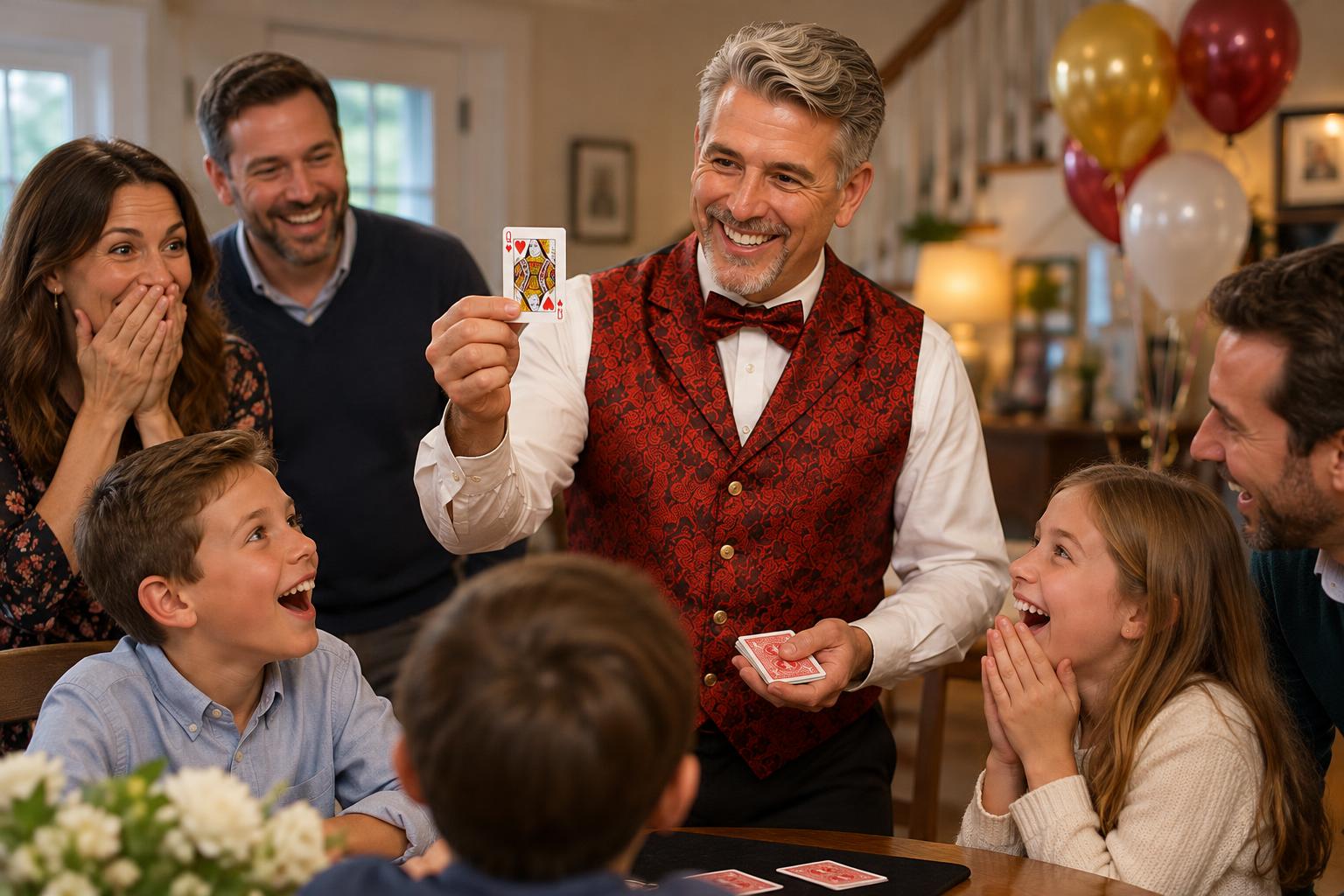
What makes a magic effect memorable long after the show is over?
A magic effect becomes memorable when the audience clearly understands what is happening, feels something while it happens, and gets to be part of it. Story, humor, real stakes, participation, and a clean, unmistakable ending matter far more than how technically difficult the method is. People remember how a moment made them feel, not how hard it was to perform.
- Clarity comes first: if the audience is confused, there is nothing to remember.
- Emotion — surprise, laughter, delight — makes a moment stick.
- Participation turns spectators into part of the story.
- A simple effect, well presented, beats a complex one poorly framed.
- A clean ending gives people one clear image to take home.
After decades of performing, I've noticed something about what people tell me after a show. They almost never describe the hardest thing I did. They describe the moment their aunt's signed card showed up somewhere impossible, or the time their son held the sponge balls and they multiplied in his own hand. The best trick in any show is the one the audience is still talking about on the drive home.
Technical difficulty is invisible
Some of the most difficult sleights in magic look like nothing at all — which is exactly the point. The audience can't see difficulty. They can only see the result and feel the experience. That's why a simple effect, framed well, often gets the biggest reaction of the night. (For the craft side of that, see why sleight of hand takes more than fast fingers.)
Clarity: everyone has to follow it
If a spectator isn't sure what just happened, the moment can't become a memory. Strong magic has a simple premise anyone can repeat: "She picked a card, signed it, and it ended up inside a sealed envelope." When people can retell it in one sentence, they will.
Emotion makes it stick
Surprise, laughter, and a little suspense are what turn an effect into an experience. Humor relaxes the room, stakes give people a reason to care, and the reveal releases all of it at once. That emotional arc is what memory holds onto — the same idea I explore in wonder, laughter, and connection.
When you choose a routine, ask: "What will someone say about this tomorrow?" If you can't answer in one sentence, simplify the effect until you can.
Participation turns watchers into storytellers
When a guest holds the props, makes the choice, or has the magic happen in their own hands, the moment belongs to them. They aren't just remembering a trick; they're remembering something that happened to them. That's why close-up and interactive moments are so powerful at parties and company events.
A clean ending leaves one clear image
The final beat of an effect should be unmistakable — one clear picture the audience can hold onto. The same is true of a whole show, which is why knowing when to end is part of great showmanship.
What this means for your event
When you're choosing entertainment, look for a performer whose shows are built around audience experience rather than a list of tricks. Watch his performance videos, read what guests say in testimonials, and explore the show options to find the right fit.
Frequently Asked Questions
What makes a magic effect memorable long after the show is over?
A magic effect becomes memorable when the audience clearly understands what is happening, feels something while it happens, and gets to be part of it. Story, humor, real stakes, participation, and a clean, unmistakable ending matter far more than how technically difficult the method is. People remember how a moment made them feel, not how hard it was to perform.
What makes a magic trick memorable?
Clarity, emotion, participation, a bit of story, and a clean ending. Audiences remember how the moment made them feel.
Are harder tricks more impressive to audiences?
Not necessarily. Audiences can't see technical difficulty; they respond to the experience and the result.
Why does audience participation make magic more memorable?
When the magic happens in a guest's own hands or depends on their choice, it becomes their story to retell.
Does humor help magic or distract from it?
Good humor relaxes the audience and builds connection, which makes the surprise land harder.
How can I tell if a magician focuses on audience experience?
Watch performance videos and read reviews. Look for audiences laughing, participating, and reacting — not just watching.
About the Author
Tres Miller performs as Tres the Great, a Utah comedy magician known for clean, interactive entertainment at company parties, schools, libraries, birthdays, and community celebrations. He discovered magic at age eight, began performing paid magic shows around age twelve, worked at the Orem magic shop MAGIZMOS from 1991 to 1998, and teaches private magic lessons.
Want magic your guests will still be talking about next week? Check availability for your event.
Book a Magic ShowOr check availability for a magic show · call/text 435-229-9797